A Safety Standard for Humanoid Robots Is Being Written: What UK Sites Can Do Now
ISO is writing a safety standard for industrial robots that have to balance: on two legs, four legs or wheels. It is not published. This post sets out what ISO and BSI show about it in public today, and nothing more, because nobody outside the committee can tell you what it will require.
What ISO shows
ISO’s page for the project gives the number as ISO/CD 25785-1, where CD means committee draft. The full title is “Robotics: Safety requirements for dynamically stable industrial mobile robots (legged, wheeled, or other forms of locomotion), Part 1: Robots”. ISO prints dashes between the three parts of that title; they are set here as a colon and a comma.
The status is “Under development”, with the line “A draft is being reviewed by the committee.” The stage is 30.60, close of comment period, dated 8 July 2026. The committee draft was registered on 8 May 2026, and the project was approved on 22 May 2025. The committee is ISO/TC 299. The page shows no date for the later stages, publication included.
What it says it covers
The abstract on ISO’s page begins:
This document states safety requirements for industrial mobile robots with actively controlled stability and their systems, which include robots that have an unspecified number of legs, wheels, or other types of mobility.
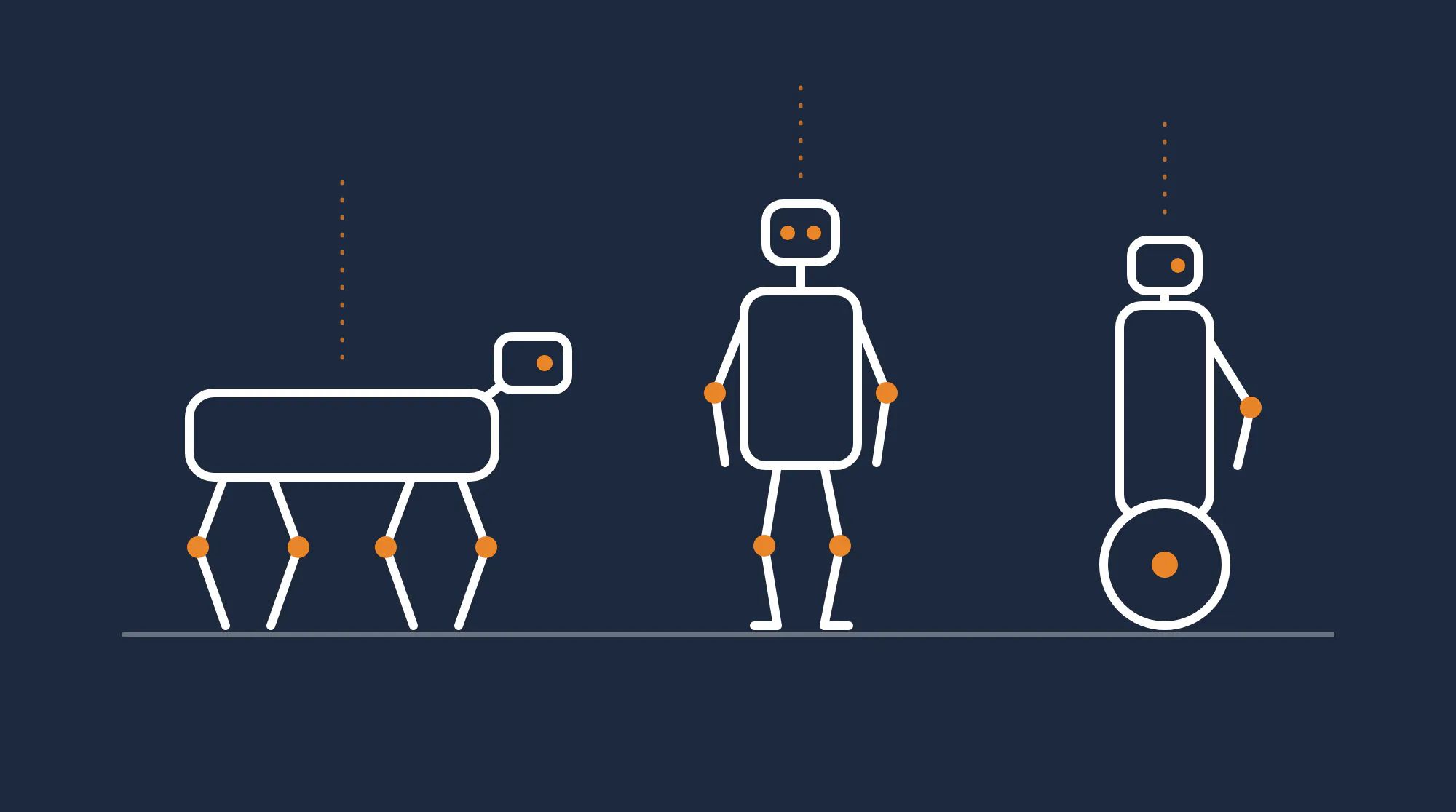
It defines the term: “actively controlled stability” refers to a robot that requires an active control in order to remain balanced and could become unstable in the absence of power. A note adds that these “can include quadrupedal, bipedal, or wheeled balancing robots”. The word humanoid is not on the page; bipedal is the nearest it comes.
It also defines where: an “industrial environment” is a workplace where the public is excluded or restricted from access. And it says Part 1 is the first of a series, with a Part 2 “to be developed separately” on the integration of applications.
That is the scope. The requirements are in a draft the public cannot read, and this post does not guess at them.
What BSI shows
BSI is the UK’s member of ISO, and its standards development portal lists the same project as BS ISO 25785-1, under its committee AMT/10, Robotics. The proposal stage is marked complete and the portal’s timeline shows drafting from 7 October 2026 and public comments from 8 January to 9 March 2027. Those are BSI’s dates, and they can move. The public comment stage is when anybody in the UK can read the draft and comment on it.
What a UK site can do now
Nothing in a draft changes what applies to your site today. Three things are within reach.
Follow the project on BSI’s portal, which sends an email when the draft opens for public comment.
Ask your supplier, before a machine arrives, which standards it was designed to and what its instructions ask of your site.
Deal with the part that is already settled, which is the people. Whatever robot arrives, it arrives with installers and commissioning engineers, and a service engineer who comes back. On your site they are contractors: they are signed in, told your rules, and counted if the alarm goes. That is covered on our page on signing in robot and automation installers.
This is general information, not legal or safety advice. Consult a competent person about your own site.
Last updated 1 October 2026. This post will be updated when the public draft opens for comment.